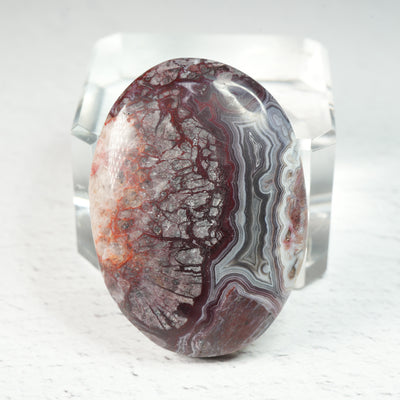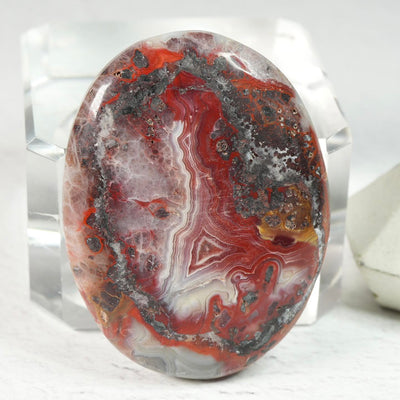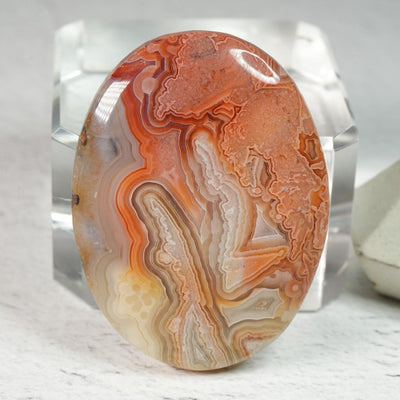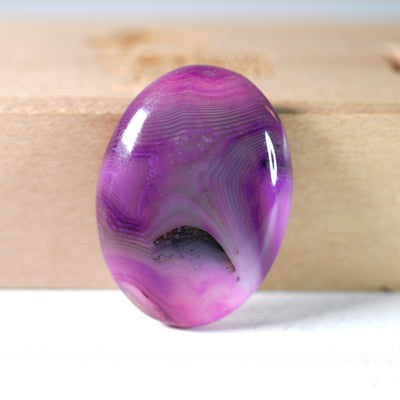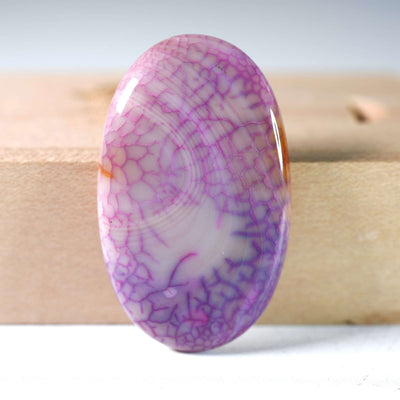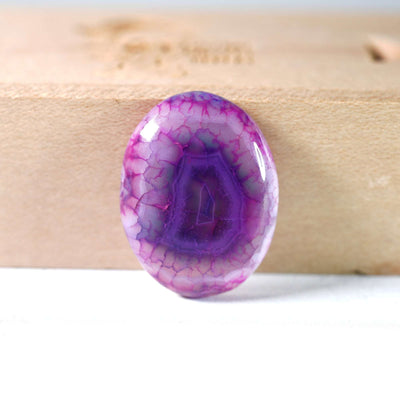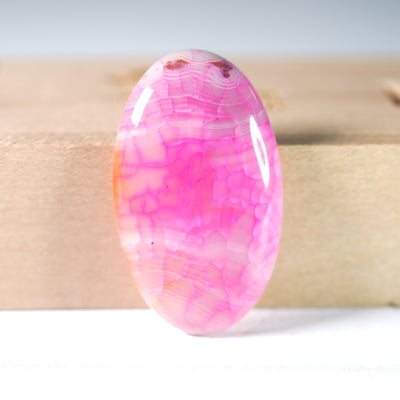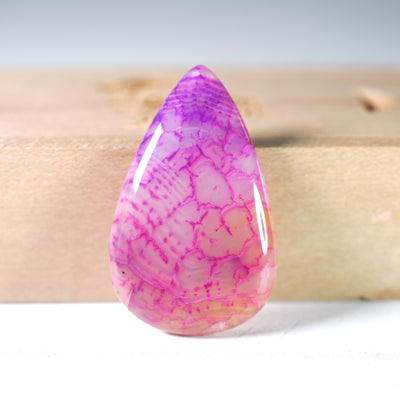


Sometimes, we can find crystals with a whirlwind of things trapped inside the stone. When shaped and polished, these internal structures - typically called inclusions - can express themselves in a beautiful array of patterns, fractures, colors, or other displays not normally found in the host stone. Inclusions
Quartz is one of the most abundant and versatile minerals on Earth, forming in a wide range of geological environments from deep hydrothermal veins to surface sedimentary deposits. During its growth, quartz crystals can trap other minerals, fluids, gases, or organic substances inside their structure, creating what are known as inclusions. These inclusions can appear as needles, clouds, landscapes, bubbles, or branching patterns, making each specimen unique and often highly desirable to collectors, jewelers, and geologists. Studying inclusions in quartz also provides valuable insight into the conditions under which the crystal formed, including temperature, pressure, and surrounding mineral chemistry.
Rutile in Quartz
Rutile inclusions in quartz typically appear as fine golden, coppery, or reddish needle-like crystals that radiate or intersect within the host crystal. These inclusions form when titanium dioxide crystallizes alongside quartz in high-temperature hydrothermal environments. Rutile quartz is prized for both its scientific significance and striking aesthetic appeal, as the shimmering needles can create starburst or hair-like patterns often referred to as “Venus hair stone.”
Tourmaline in Quartz
Tourmaline inclusions are commonly seen as long, prismatic crystals embedded within quartz, most often in black (schorl) but also in green, pink, or multicolored varieties. These inclusions form when boron-rich fluids deposit tourmaline and quartz simultaneously. Tourmalinated quartz is popular among collectors and jewelry makers because the contrasting colors and bold crystal shapes create dramatic visual interest while also revealing complex geological growth histories.
Hematite in Quartz
Hematite inclusions give quartz red, brown, or metallic gray coloration and may appear as plates, dust-like coatings, or sparkly internal flakes. These iron oxide inclusions can create phenomena such as “fire quartz” or “hematoid quartz,” where internal reflections produce glowing reddish flashes. Hematite-included quartz often forms in oxidizing environments and is valued for both its beauty and its role in indicating iron-rich geological conditions.
Chlorite in Quartz
Chlorite inclusions typically appear as soft green clouds, phantom layers, or moss-like formations inside quartz crystals. Forming in low- to moderate-temperature hydrothermal settings, chlorite can settle onto crystal faces during growth pauses, later becoming enclosed as quartz continues to develop. These inclusions are especially popular among collectors because they can resemble miniature landscapes or gardens within the crystal.
Goethite in Quartz
Goethite inclusions are usually seen as dark brown to black acicular (needle-like) sprays or fibrous clusters within quartz. This iron oxyhydroxide mineral forms in weathering or hydrothermal environments and may develop delicate radiating patterns that enhance the specimen’s visual complexity. Goethite-included quartz can also provide clues about past oxidation processes and mineral replacement events.
Liquid (Enhydro) Quartz
Enhydro quartz contains trapped pockets of ancient water or mineral-rich fluid sealed inside the crystal during its formation. These inclusions often include a visible moving bubble, allowing observers to see the liquid shift when the crystal is turned. Enhydro specimens are scientifically fascinating because the fluid can be millions of years old and may preserve information about ancient geological environments.
Petroleum in Quartz
Petroleum inclusions occur when hydrocarbons become trapped within quartz during crystal growth in sedimentary or hydrothermal settings associated with organic material. These inclusions may appear as dark brown or black droplets, films, or fluorescent patches that glow under ultraviolet light. Petroleum quartz is relatively rare and provides important evidence of the interaction between mineral formation and organic geochemistry.
Dendrites in Quartz
Dendritic inclusions form branching, tree-like or fern-like patterns inside quartz, usually composed of manganese or iron oxides. These inclusions develop along microscopic fractures or growth planes and can create stunning natural artwork within the crystal. Dendritic quartz is highly collectible because each piece displays unique, nature-made patterns resembling landscapes or plant silhouettes.
Phantom Quartz
Phantom quartz features ghost-like outlines of earlier crystal growth stages preserved within the outer crystal. These phantoms form when mineral coatings such as chlorite, hematite, or other inclusions settle on the crystal surface before growth resumes. The result is a layered record of the crystal’s development, allowing geologists and collectors to visually trace its growth history.
Lodolite (Garden Quartz)
Lodolite is a trade name for quartz containing a rich mixture of inclusions such as chlorite, feldspar, hematite, and other minerals that create scenic internal formations. Often called “garden quartz,” these specimens may resemble underwater worlds, forests, or landscapes suspended in crystal. Lodolite forms in complex hydrothermal environments where multiple minerals crystallize together over time.
Dumortierite in Quartz
Dumortierite inclusions appear as blue to violet fibrous or cloudy structures within quartz, sometimes giving the entire crystal a soft denim-blue coloration. This aluminum borosilicate mineral forms under high-temperature conditions and may occur as tiny needle clusters or diffuse patches. Dumortierite quartz is sought after for its unusual color and the insight it provides into metamorphic or pegmatitic geological processes.